
metalworkingmag.com
01
'26
Written on Modified on
Remote Connectivity for Industrial Flatness Control Systems
ABB has introduced a secure remote support framework for flatness measurement systems to optimize production stability and yield in the global metals industry.
global.abb
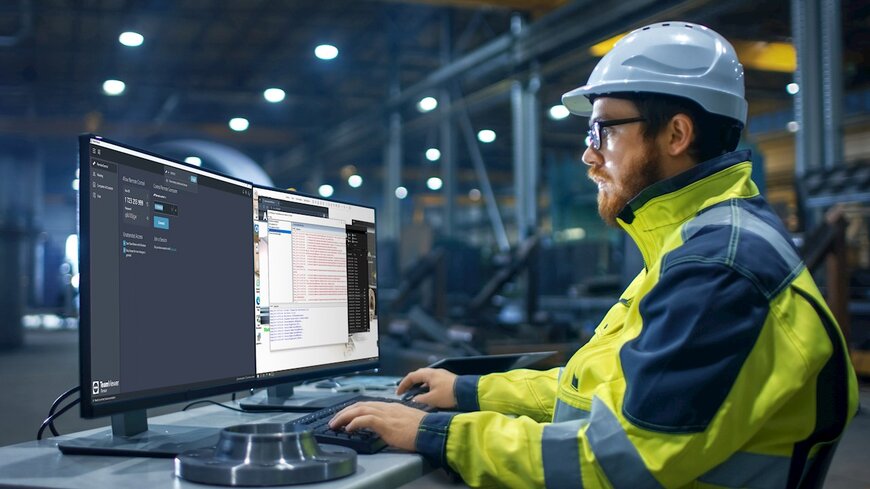
Remote Assistance for Stressometer Systems provides a structured communication interface between on-site flatness computers and remote service engineers to facilitate real-time troubleshooting and performance monitoring. This technology addresses the technical requirement for precision in cold rolling and finishing mills, where maintaining strip flatness is a primary determinant of material quality and downstream profitability. By establishing a secure link to the automotive data ecosystem and other high-precision supply chains, the system allows for the correction of subtle process deviations that lead to material downgrades.
Secure Architecture and Technical Standards
The solution is built upon a MicroPC-based hardware layer that adheres to the IEC 62443-4-1 standard for secure product development lifecycles. Security is managed through end-user-controlled access, ensuring that external connections to the flatness computer occur only under authorized conditions. The software platform supporting these operations is certified under ISO 9001:2015, providing a governed framework for data exchange and system diagnostics.
This remote infrastructure enables technical teams to move away from reactive maintenance. Instead, engineers utilize real-time data to analyze actuator performance and control loop behavior. Mitesh Upadhyay, Global Product Manager at ABB, noted that production disruptions are frequently the result of process deviations and evolving production conditions rather than catastrophic hardware failure, necessitating specialized expertise for effective diagnosis.
Operational Impact on the Digital Supply Chain
Integration of remote diagnostics into the digital supply chain allows metals producers to operate closer to the mechanical and thermal limits of their equipment. The system targets specific measurable outcomes, including the reduction of strip breaks and the optimization of yield through tighter tolerance control.
The service is structured through tiered contracts, allowing facilities to scale the level of technical oversight based on their specific risk profiles. This data-driven approach provides a foundation for capital expenditure planning, as performance history and system health reports generated through the remote interface offer quantitative evidence for future equipment upgrades or process optimizations.
Application in High-Precision Manufacturing
In technical applications such as aluminum or steel rolling, the ability to resolve control errors remotely reduces the Mean Time to Repair (MTTR). By providing immediate access to domain experts, the system minimizes the need for physical site visits, which historically caused delays in restoring optimal production parameters. This ensures that the flatness ecosystem remains stable, supporting the high-quality surface requirements necessary for sectors such as aerospace and automotive manufacturing.
Edited by Evgeny Churilov, Induportals Media - Adapted by AI.
www.abb.com
