
metalworkingmag.com
15
'26
Written on Modified on
Manufacturing Wellness Framework for Industrial Automation
Sandvik Coromant implements the manufacturing wellness framework to optimize production processes, data integration, and automation in manufacturing companies.
www.sandvik.coromant.com
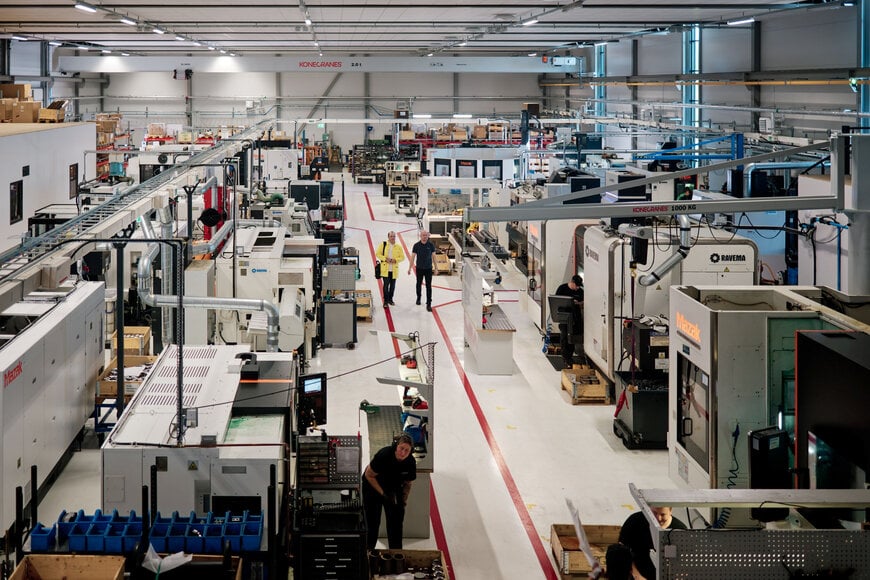
Sandvik Coromant has introduced the concept of manufacturing wellness and published a global report to analyze the resilience of production infrastructures. This framework evaluates the operational integration of data, automation technologies, and circular processes in the metal cutting and industrial manufacturing sector.
Addressing the Industrial Challenge
Manufacturing companies face the technical challenge of translating modernization intentions into concrete operational architectures. Analyses document that, although many production facilities implement advanced technologies, progress remains uneven. Nearly one in four companies lacks access to production or process data, while a significant number of operators do not have a clear understanding of the performance targets set for their teams. Furthermore, only 19% possess a formal policy on circularity, highlighting a fragmentation in automation where 69% report having a basic level of automation but still maintain several manual phases.
Technical Architecture and Responsibilities
The manufacturing wellness system is based on eight operational habits designed to measure the state of industrial resilience. This analytical model evaluates essential parameters ranging from skills development to the adoption of automation, waste reduction, and collaboration with external partners. The online assessment tool collects data across 28 technical parameters analyzed in approximately ten minutes, providing organizations with a customized score to identify gaps in their production setup. Helen Blomqvist, President of Sandvik Coromant, specified that the current challenge consists of connecting data collection and technologies within a structured approach along the entire value chain.
Implementation and Operational Integration
Implementing the operational framework requires companies to move beyond the adoption of isolated technologies. The process consists of integrating existing digital tools, personnel, and infrastructures through a holistic and centralized strategy. The analysis reveals that organizations that actively collaborate with third-party partners record higher scores and are more likely to consistently apply operational principles. Currently, the global index stands at 49 out of 100, indicating a solid infrastructural foundation but significant untapped potential in the integration of complex systems.
Applications and Operational Impact
The framework is applied within industrial plants to identify operational bottlenecks, scale automation levels beyond basic processes, and formalize verifiable sustainability policies. The structured adoption of manufacturing wellness principles allows companies to transform technological potential into lasting operational resilience. By connecting data flows across different teams and evaluating technologies systemically, manufacturers can optimize the use of mechanical resources and stabilize production lines, increasing overall efficiency without having to redesign their facilities from scratch.
Edited by Maria Brueva, Induportals editor – adapted by AI.
www.sandvik.coromant.com
