
metalworkingmag.com
22
'26
Written on Modified on
Meltio 3D Printing Enhances Military Logistics and Repairing Vital Equipment
Meltio provides wire-laser metal additive manufacturing to repair components in remote operations, reducing supply chain dependence while extending the service life of critical defense assets.
www.meltio3d.com
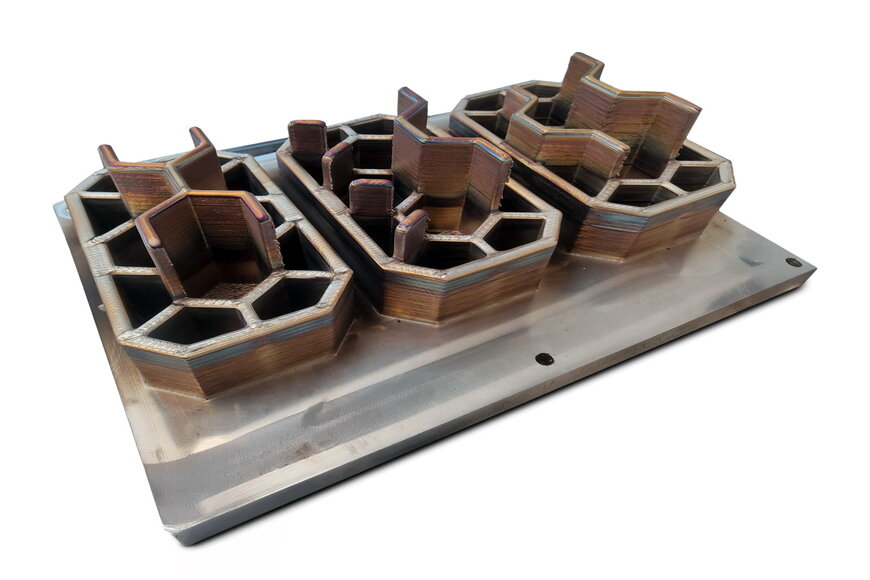
While traditional manufacturing remains the standard for mass production, it often fails the modern military in high-stakes, remote environments. The shift toward metal additive manufacturing, particularly the wire-laser Directed Energy Deposition (DED) technology pioneered by companies like Meltio, represents a fundamental move away from vulnerable, centralized supply chains toward total operational autonomy. Unlike powder-based systems that are difficult to manage in the field, wire-laser solutions use a spool of metal wire melted by lasers, allowing for the reliable creation and repair of components in forward operating bases and maritime environments.
Overcoming Logistic Bottlenecks through Field Deployment
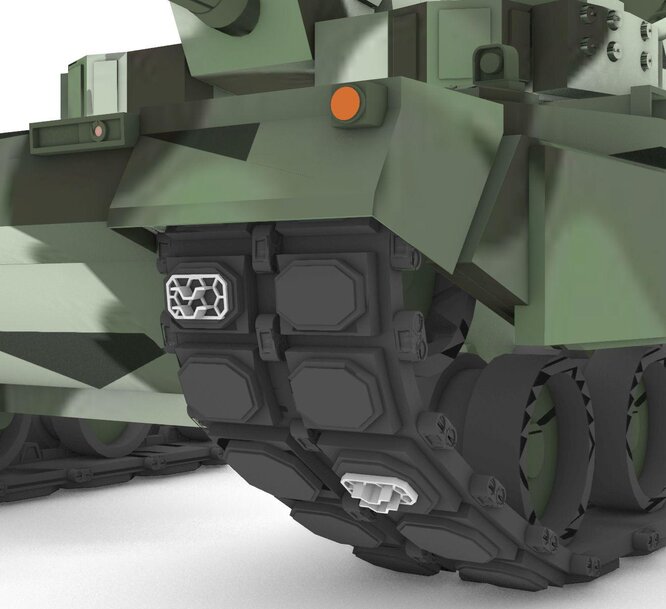
The primary differentiator for advanced 3D printing in the defense sector is its ability to bypass the "lead time" trap of traditional logistics. By producing parts on-demand and on-site, armed forces can maintain armored vehicles and jet engines without waiting weeks for shipments from domestic factories. This technology does not aim to replace traditional foundries but to complement them where they reach their limits: in flexibility, speed, and the ability to operate in remote "forward" locations. Using materials such as titanium, stainless steel, and Inconel, these systems allow for the immediate manufacture of replacement parts, ensuring that critical machinery remains functional rather than sidelined by a single broken component.
Extending Equipment Lifecycle through Advanced Repair
Beyond simple part replacement, the integration of specialized robotic cells enables the precise repair of complex high-value assets, such as jet engine components. This capability significantly extends the service life of existing military hardware, providing a sustainable alternative to the costly cycle of decommissioning and replacing equipment. This transition from a forecast-based logistics model to one based on immediate responsiveness ensures that the defense sector can adapt to high-uncertainty environments where storage and inventory are liabilities.
The Evolution Toward Digital and Resilient Infrastructure
The strategic value of this technology lies in its long-term cost-efficiency and reliability. While mass-produced units may be cheaper via traditional methods, the total cost of system downtime and complex transport makes additive manufacturing a more efficient choice for defense. As the industry moves toward industrialization, the focus has shifted from proving the technology works to scaling its use across international forces, including NATO and South Korean military operations. The future of this field involves a decentralized, digital model where AI optimizes quality control, further cementing 3D printing as a structural capability that ensures industrial autonomy and readiness in the most demanding environments on Earth.
Edited by Evgeny Churilov, Induportals Media - Adapted by AI.
www.meltio3d.com
